Crispy Falafel

This morning, I had planned on running at 7:00am and then getting to the library just as it was opening. My plans were shot when I woke up this morning to thunderclaps and my poor little munchkin huddled on the covers shuddering. The poor thing is terrified of thunder and shakes like a little leaf. So I slept in and went for my run at noon when the thunder had passed and my munchkin was no longer trembling.

I normally don’t run when it’s rainy outside or water is on the ground because I don’t want to fall. I’ve broken and sprained more than my fair share of bones and joints, and I know the waiting for everything to knit back up will drive me insane. Everyone wants me to run, because I get crazy without it! Anyway, this was my first training run since April 3 (when I ran the Cherry Blossom 10mi), and as I was hitting mile 6, the rain started again. It was glorious. I used to love running in the rain, because everything seems to wash away and the world just seems cleaner. I loved the smell of the cold rain hitting the hot pavement and the precipitation-disliking people scuttling inside. My run was like that today… no one else except me and my feet.

I felt so good, I registered for another half marathon in 21 days! Because I can use the extra race and motivation to get prepared. I’m running my first WHOLE 26.2 miles in July, and the mileage scares me just a bit. I need every minute I can get to get ready. I just want to finish it, but I also want to have a solid time too!

Anyway, since it is finals, I haven’t really been eating anything but the quickest cheese and black bean wraps. I’m craving good vegetables, so on a study break day, I’ll run over to a good grocery and load up.  I read a while back that chickpeas are good for you, so I made falafel. Because, no matter what it is… it always tastes better crispy!!

Crispy Falafel (Kaprise Kitchen Style)

  • 15 oz of chickpeas, drained (or reconstituted chickpeas, about a cup and a half) and then crushed
  • 1 onion, minced finely
  • 2 carrots, minced finely
  • 2 cloves of garlic, minced finely
  • 3 tablespoons of fresh basil, chiffonade
  •  1/2 lemon, juiced
  • 1 egg,whisked
  • 2-3 tablespoons of flour
  • 1/4 cup of oil
  1. In a large bowl, crush chickpeas with a fork. I like mine just a bit chunky, so I don’t go crazy. If you like a smoother texture, feel free to use a food processor.
  2. Stir in onion, carrots, garlic, basil and lemon juice.
  3. Stir in egg, and depending on the texture of the mixture, add 2-3 tablespoons of flour.
  4. The batter should resemble a loose cookie dough – firm enough to be shaped into patties, but loose enough to flatten in a pan.
  5. In a pan, heat the oil.
  6. Form the dough into 2 tablespoon patties. Fry gently, about 4-5 minutes per side until firm.
  7. Serve over greens with a bit of tahini.

Note: I think the next time I make this, I’ll add more vegetables. Maybe a bit of kale or spinach to pack more nutrient rich vegetables into the patties. 🙂

Zucchini Fritters

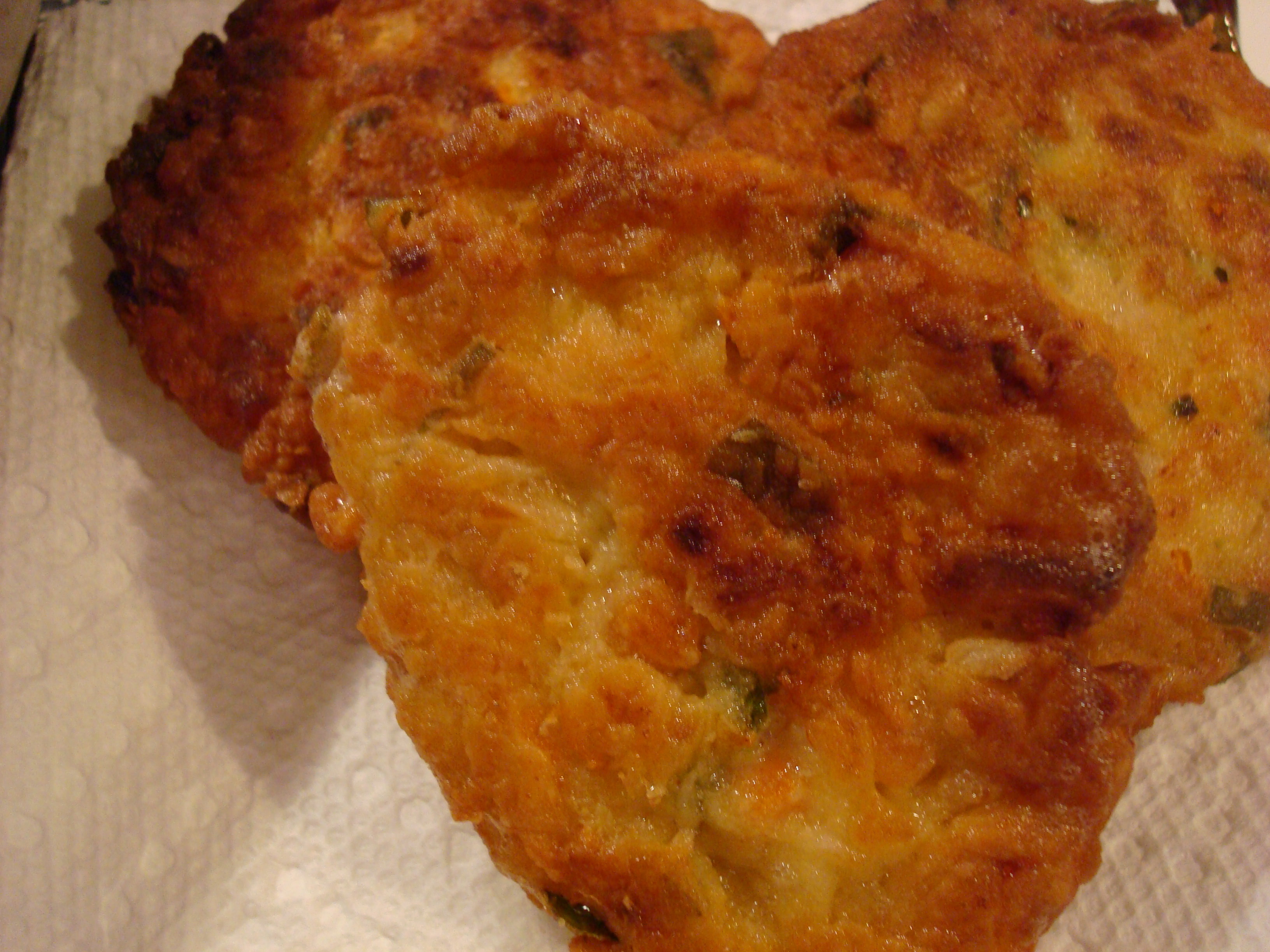
When I was a kid, my mother kept a garden. We grew cherry tomatoes, green beans, zucchini, and a bunch of other vegetables. And even though I was a picky kid, I would run out the door and stand amongst all of the plants and pick the vegetables off the stems to my hearts content. (I’ve always had a thing for picking vegetables and fruit… I like it!). I would eat the cherry tomatoes by the handful, smelling their wonderful green smell. I loved the green beans raw, and would often eat them all before I even got to the kitchen. The zucchini was something I couldn’t just munch on standing in the garden, but I loved it all the same. My mother would slice the zucchini into thin strips and fry them ever so lightly so that you could have these amazing and crunchy fritters. She made zucchini bread and this amazing Korean side dish (I have to ask her about that…), and all sorts of things with zucchini.

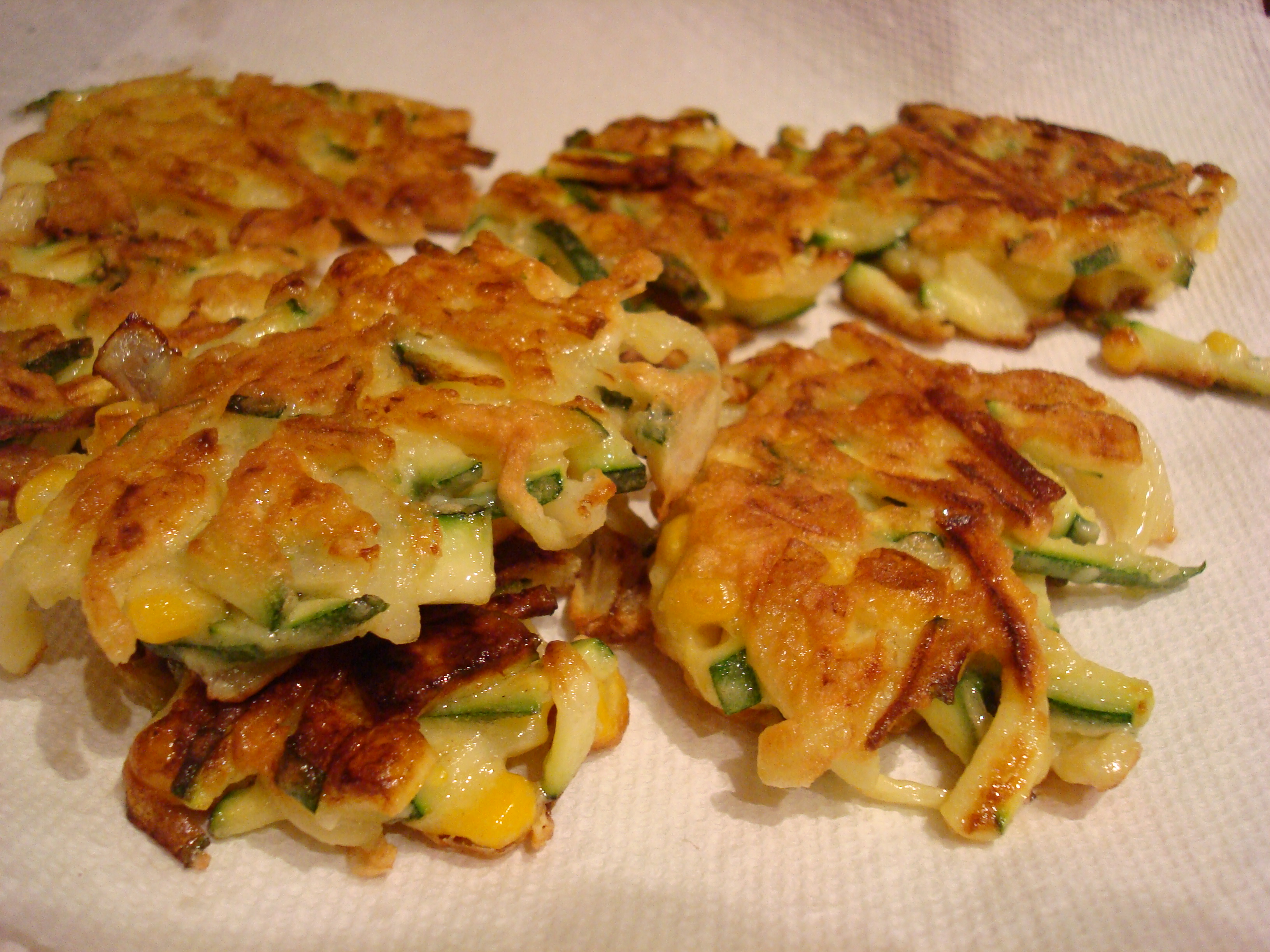
Anyway, in a fit of nostalgia, I made these zucchini fritters with a friend and devoured them for dinner. I serve them with just a bit of soy sauce and vinegar. A small caveat – these are not nearly as delicious as the ones my mother made for me as a kid… I just don’t know what she did to make them so yummy!

Zucchini Fritters (Kaprise Kitchen style… Mom – I need you to teach me how to make them like yours!)

  • 2 medium sized zucchini, julienne
  • 1 medium sized yellow onion, sliced thinly
  • 2 eggs, beaten lightly
  • 1/2 cup of sifted flour
  • 1/2 cup of corn (thawed, if you use frozen like me)
  • 1/2 teaspoon of salt
  • 1/2 teaspoon of pepper
  1. In a large bowl, mix the egg and flour until a batter forms.
  2. Toss the remaining ingredients in the batter until lightly coated.  (Or, you can just do what I did, and stir it all together)
  3. In a skillet, heat about 1/4 cup of canola oil until it shimmers (I promise, once I get one of those thermometers I’ll give you more accurate temperatures!)
  4. Drop tablespoons of batter into the oil and fry for 3-4 minutes per side, until the center of the patties are cooked through.
  5. I squish mine down just a bit so they are more like pancakes, and obviously fry them just a teensie bit longer so they are crunchy!

Mushroom Melt

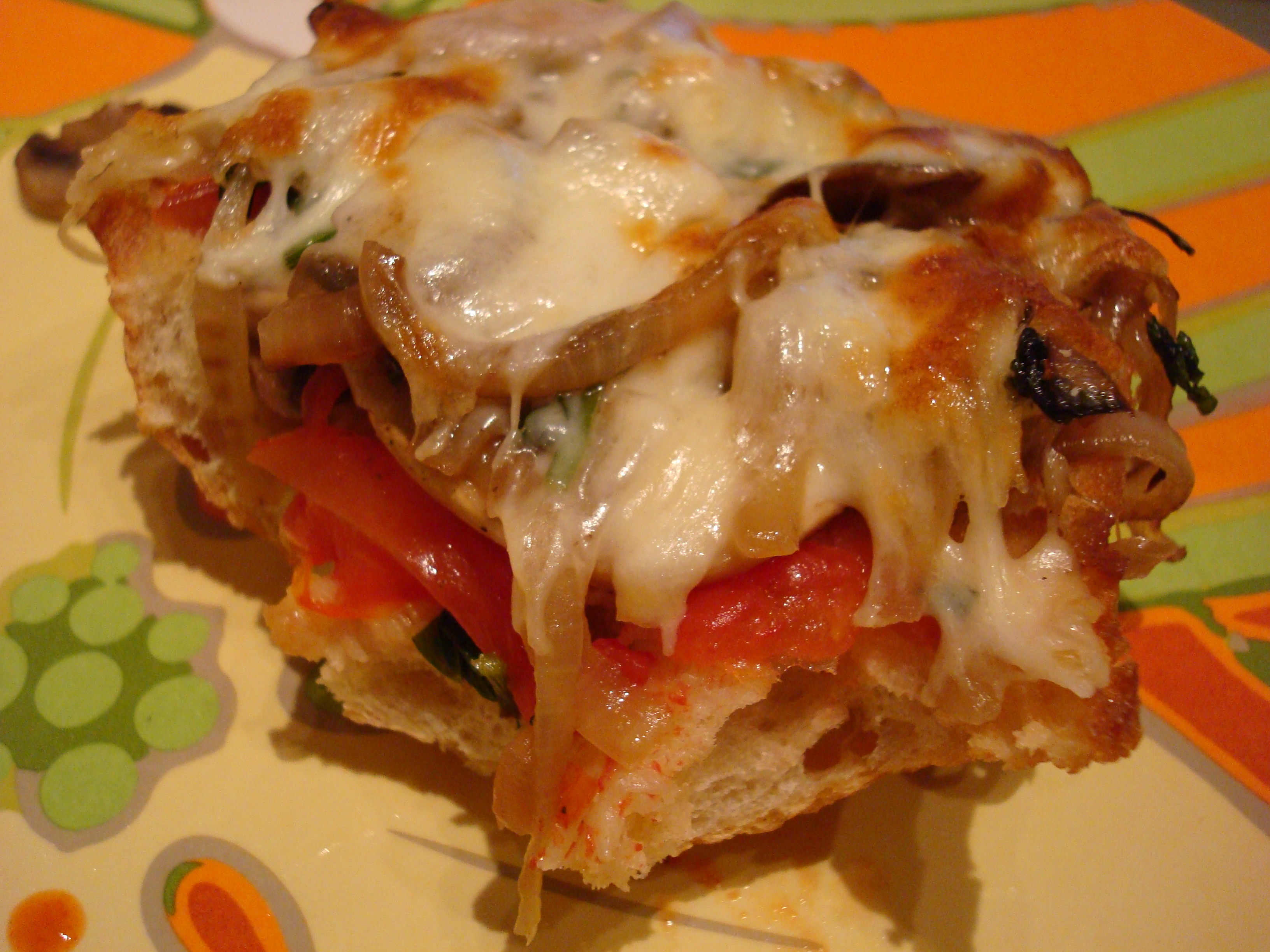
I think we have established, I really like mushrooms. So it’s no surprise, that I made this delicious sandwich. (For the record, I do NOT eat tuna melts. Warm tuna, mayo, and limp veggies is just yuck. And that smell…. it rivals my distaste for the smell of airplane coffee. Gross man.)

There are no hard and fast rules for this sandwich, but I often add other vegetables too. Sometimes I grill some eggplant and zucchini. And I often use different kinds of cheese. Either way you like your sandwiches – this is a quick way to whip up dinner (or in my case, a midnight snack) that is healthier than Chinese takeout.

Mushroom Melt (Kaprise Kitchen style)

  • 1 package of button mushrooms, cleaned and sliced
  • 1 small onion, halved and sliced thinly
  • 1 small bunch of parsley
  • 1 tablespoon of good butter (I made my own, and it’s just delicious)
  • pinch of salt and pepper
  • 1/4 cup of dry white wine
  • good rolls, sliced and toasted lightly
  • 1 cup of shredded cheese, like mozzarella or provolone
  • 1 tomato, sliced thinly
  1. Toss mushrooms, salt, and pepper in a hot skillet with butter until the moisture is released and evaporated
  2. Stir in onions, and when the onions just begin to become translucent, stir in wine and parlsey
  3. Cook until moisture has evaporated and the mushrooms begin to sear just a bit. Remove from heat.
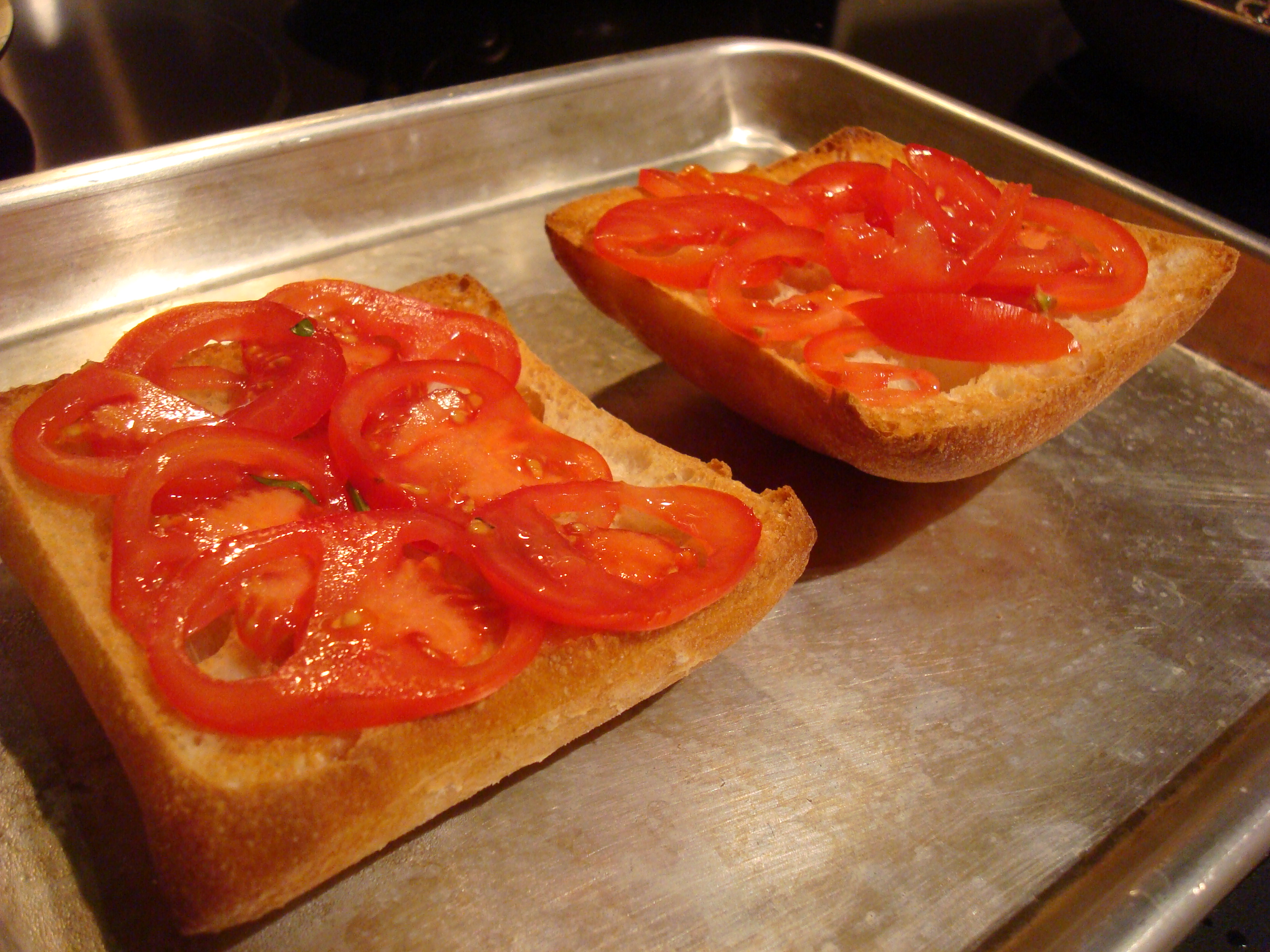
  4. Toast rolls under the broiler for just a minute, top toasted rolls with tomatoes
  5. Pile mushrooms on top of the roll/s
  6. Sprinkle cheese (or in my case, HEAP!)
  7. Broil for 5 minutes or until the cheese has just melted
  8. Enjoy!

Comfort Food: Galbi Jjim (Braised Short-ribs)

This is a recipe for Korean braised beef short-ribs… my way. My mother used to make this for me with the proper accoutrements (ginko, chestnuts, dried mushrooms, and Korean radish), but I was delirious, compliments of my cold, at the supermarket so I made do when I got home with a random assortment of food items. The recipe itself is pretty straightforward, but it is important to properly prep the short-ribs before braising them with the sauce and vegetables, otherwise your dish will been extremely greasy because of the heavy marbling in the beef.

Galbi Jjim

  • 2 pounds of bone-in beef short-ribs
  • 1 1/2 cups of filtered water
  • 1/4 cup of soy sauce
  • 2 tablespoons of sesame oil
  • 3 tablespoons of fresh chopped garlic
  • 1 small sliced onion
  • 1 teaspoon of brown sugar
  • 1 small bunch of sliced green onion
  • 2 King Oyster mushrooms, sliced
  • 2 red potatoes, cubed
  • 2 carrots, 1 inch slices
  1. Cut the short-ribs, one bone per piece.
  2. Place the short-ribs into a large pot, with the bone vertical. Fill the pot with cold water and allow the beef to soak for 1 hour. Change the water three to four times.
  3. Change the water in the pot one final time, and bring the pot of ribs and water to a rolling boil
  4. Simmer the ribs for 15 minutes
  5. During this time, whisk the water, soy sauce, sesame oil, garlic, and white onion into a bowl.
  6. Remove the ribs with tongs and place on a clean dish. (I also rinsed the ribs under cool water once more to remove a little extra fat)
  7. Pour the remaining liquid into a heat-proof bowl*(because of the high fat content, flushing the liquid down the sink will clog your drain. Instead, let the liquid cool and the fat to float to the service. Discard the fat in the trash. The remaining poaching liquid is beef stock that you can either keep for another dish, or discard. I kept it and put it in my beef stew I made the following morning)
  8. Clean out your pot, and then place the ribs back inside of the pot.
  9. Add the soy sauce mixture, and simmer over low heat for 15 minutes
  10. In the mean time, slice the potato, carrot, green onion, mushroom (and really any other vegetable that you want to add, just make sure it’s a sturdy vegetable that will hold up after simmer for an hour).
  11. Add the vegetables to the pot, and using a spoon drizzle some of the liquid over the vegetables
  12. Cover tightly and simmer over low heat for 1 hour. (DO NOT OPEN THE LID OF THE POT FOR ONE HOUR)
  13. Check the beef after 1 hour by sliding a knife into the meat. If your knife slides in the meat easily, the dish is ready. If the meat resists, then cover and simmer for another 15 to 30 minutes.
  14. Serve with steamed rice 🙂

Notes on this recipe:

  • This is not a traditional Galbi Jjim recipe… at all
  • Use a heavy pot, like a Le Creuset, with an equally heavy lid
  • Do NOT open the lid of the pot while the meat is simmering, the steam that forms inside of the pot is essential in allowing the meat to cook evenly.
  • Be sure to use LOW heat to ensure your braise doesn’t burn and that you have even cooking
  • Two pounds of short-ribs is enough for two to three people
  • Left-overs keep well for up to 3 days (That’s how long mine stayed in my fridge before I devoured it, I’m sure it’s good for up to a week, but I can’t guarantee past 3 days).

Links to Click

How to Peel Pomegranate

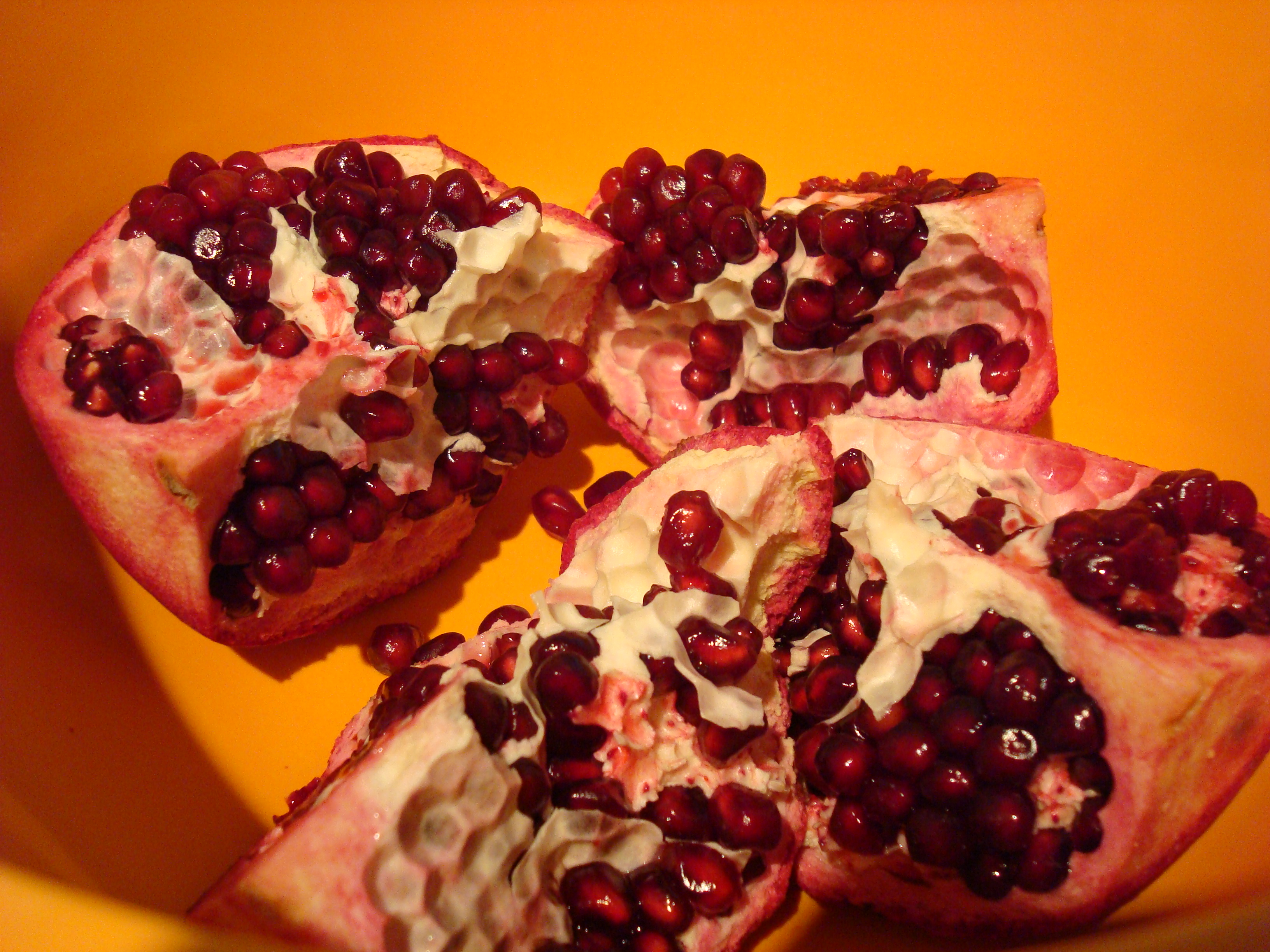
I love pomegranate. Last week, I finally got to a good grocery store with beautiful, shiny pomegranates – so I bought 6. I wish I had bought more because I’ve run out. :::pitiful sigh:::

As an avid pomegranate lover, I have perfected the technique to peeling this fruit that frequently leave people covered in splotches and sticky juice. I have read some suggestions like “submerse the entire fruit in water and peel it under water….” Not to be rude, but do you know how much water you need to submerse the pomegranate? And do you know that instead of having little red dots of juice everywhere, you just have soggy pomegranate peel and water splashed everywhere and some red dots of juice anyway! I know. I’ve tried it…. more than once with very poor results. Or I’ve read that you should roll the fruit around until it’s mushy and then poke a hole in the fruit to drink out the juice…. I don’t know about you but that sounds like a lot of work for juice you can buy in an adorable bubbly bottle from POM. Plus, I want to eat the seeds!

So, here is how I do it.

  1. Buy pomegranate that are smooth, shiny, and dense. The denser the fruit, the more likely you are going to get sweet seeds
  2. If this is your first time peeling pomegranate, change into black clothing so you don’t ruin anything. Pomegranate has bright red juice that turns purple and blue when you try to wash it out… and with Shout! it turns into a vibrant neon blue. So, black it is.
  3. Wash the pomegranates
  4. Cut the flowering end of the pomegranate off (I called this the top of the fruit, until I saw a pomegranate tree and apparently it’s the bottom!!). Try to avoid cutting into the seeds
  5. Cut the pomegranate in half, about 1 inch into the entire fruit
  6. Cut at a 90 degree angle another 1 inch cut into the fruit (see pictures below for an accurate image)
  7. Flip the cut side down facing a large bowl and pry the fruit apart. Try to put your hands and the fruit as far into the bowl as you can so that the juice and seeds don’t spray as you separate the quarters of the fruit
  8. Repeat this process with as many pomegranates as you plan on peeling (in the photos, I’m peeling 3 very large pomegranates at once).
  9. Line the quartered pomegranate up on a plastic mat or surface that doesn’t stain
  10. Starting with one quarter, face the seeds into the bowl and break the piece in half. This should expose more of the seeds.
  11. Gently remove the membrane of the fruit and dislodge the seeds into the bowl.
  12. I keep a produce bag open next to me so I can collect the peel and membrane as I peel.
  13. Continue splitting the quarters apart and dislodging the fruit

Personally, I like put the seeds in a huge bowl, and grab a spoon and eat the entire bowl while I watch TV or read a book. I love the tartness and the little bursts of juice. But, in attempt to keep my stash a little longer, I put the seeds in an airtight container and refrigerate the seeds. I sprinkle them (at least 1 cup!) over some Greek yogurt and homemade granola (I’ll post that recipe soon).

Cut the flowering end off

Cut in half about 1 inch into the fruit

Now, the second cut, perpendicular to the first

Pry the quarters apart

Set the quarters on a flat and non-staining surface, set up your bag and bowl and beginning dislodging the seeds

And with a little patience – VOILA!!

Did you know?

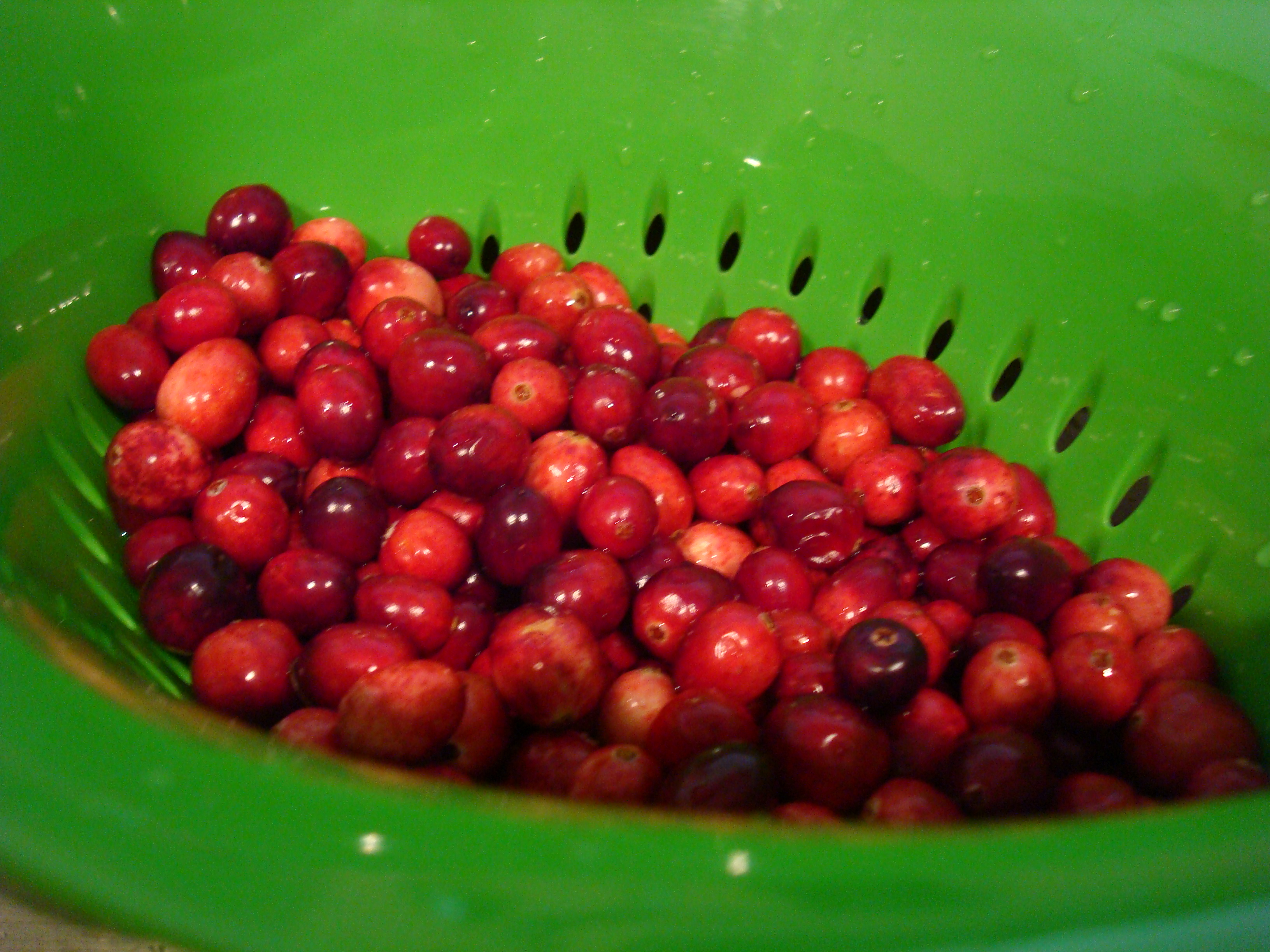
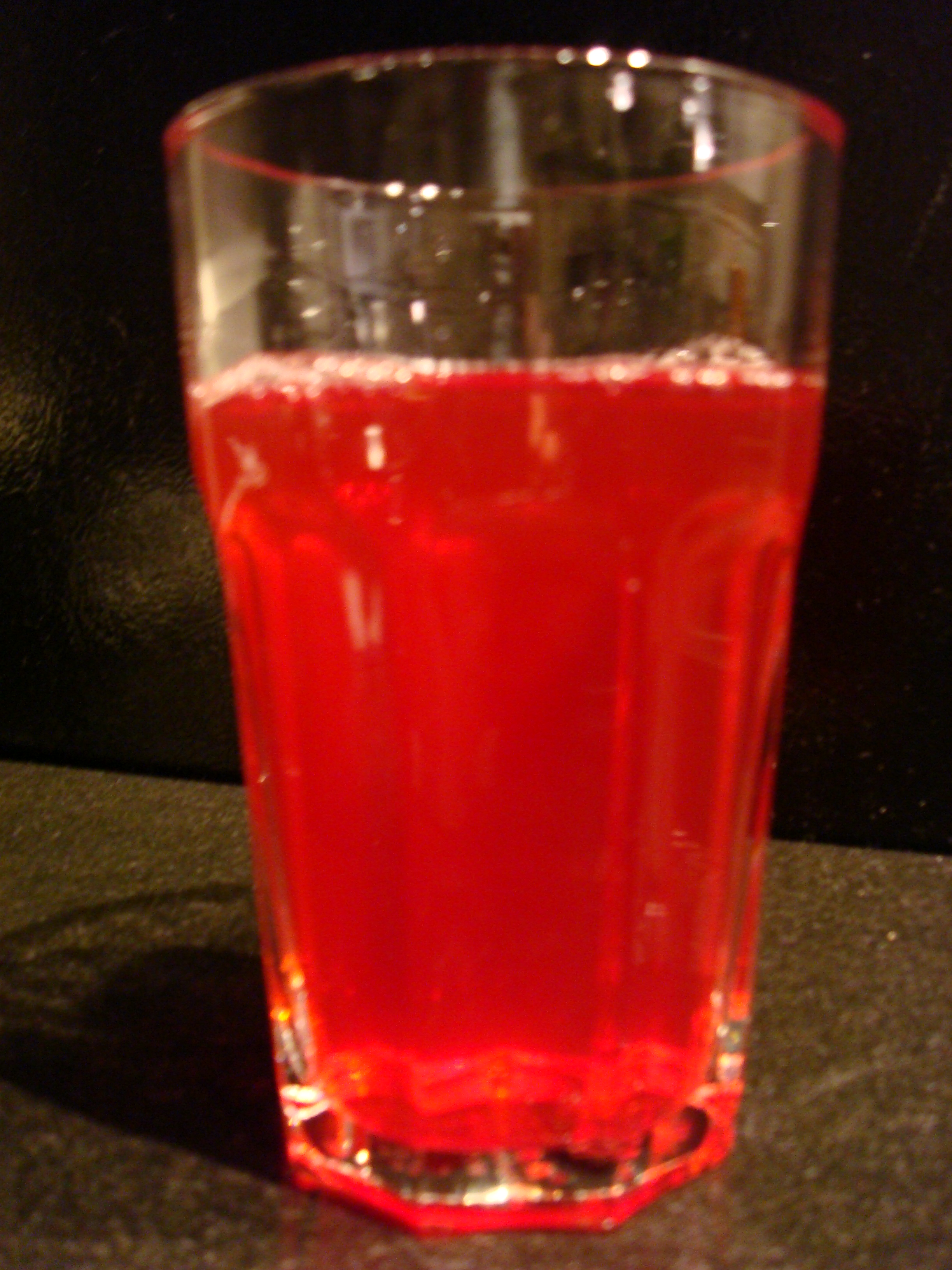
I love surprises. I like facts that you wouldn’t expect and recipes that are so easy it’s amazing. So it was no surprise that when I discovered I could make cranberry juice, I was thrilled. I have been making my own tart and lime spiced cranberry sauce for Thanksgiving for years, but it never occurred to me that I could in fact make my own jewel toned tart juice. I adapted this recipe from here (http://www.mytartelette.com/2006/11/mighty-cranberry.html). Instead of sugar, I use clover honey and instead of discarding the cranberries after extracting the ruby juice, I whizz them in a blender with ice cubes and blueberries.

Cranberries, juiced and smoothied

  • 3 to 4 cups of cranberries, picked through (discard any mushy berries and pick out stems)
  • 1 to 2 quarts of water (I used my biggest pot and filled it with cold, filtered water)
  • 1/4 cup of your favorite honey (if you prefer sweeter juices, you dial this up to 1/2 a cup)
  • Handful of blueberries (or any other fruit. Peaches, oranges, banana, apples, are all good options)
  1. Add water to pot and bring to a rolling boil
  2. Add the cranberries and continue to boil until all of the berries have burst and the water has turned a beautiful red.
  3. Remove from heat
  4. Strain the juice and berries through a fine mesh sieve or cheese cloth, do not press on the berries
  5. Stir in honey until dissolved
  6. Allow juice to cool.
  7. JUICE: Put 1/2 cup of leftover berries* and a handful of blueberries and whizz in a blender with a few cubes of ice. Drink!

* You can feel free to discard these if you want, but as a poor as a church mouse law student, I try to maximize the yield for all of my purchases. (You know… so I have some money left over for pretty things). You will have about 2-3 cups of berries (they will be a little mushed) leftover. You can freeze these in 1/2 cup increments to add to any of your smoothies.